
From Passive Control to Living Data Products
A fundamental shift in data governance. Embed governance directly into data products in real time.
The Passive Governance Problem
Governance platforms excel at documentation. They capture metadata and enforce compliance requirements.
But they remain passive observers. They describe data but don't participate in operations.
Policies live in separate systems. They don't influence analytics, AI models, or workflows.
Governance becomes a gatekeeper that slows delivery. Documentation exists without execution.
Passive Governance
- Policies stored
- Documentation only
- No impact on analytics or decisions
Active Governance
- Policies applied in real time
- Governed at point of use
- Drives analytics and decisions
Introducing Latttice Active Governance
Latttice introduces an Active Governance layer. Metadata becomes executable behavior, not just documentation.
Integration Layer
Connects to Collibra, Purview, and enterprise governance tools seamlessly.
Executable Behavior
Transforms metadata and policies into live, actionable controls.
Real-Time Enforcement
Governance participates in every query, transformation, and AI outcome.
How Active Governance Works
Metadata as Input
Business and technical metadata feed directly into data product creation.
Dynamic Evaluation
Access policies evaluated based on user role, purpose, and context.
Quality Controls
Data quality rules determine if products can be published or consumed.
Automatic Lineage
Lineage generated as data products are created and reused.
The Data Product Workbench
Latttice acts as the enforcement point. When users create, maintain, or access data products, Latttice consults governance systems.
Access Control
Who can create or consume the product? How can they be used?
Product Permissions
Which products and product components can be used? For what purpose?
Transformation Rules
What transformations are permitted? Data quality and data privacy recommendations.
Sensitivity Handling
Must sensitive data be masked or restricted?
Distribution Policy
How can outputs be shared downstream?
From Gatekeeper to Enabler
Governance shifts from slowing delivery to accelerating trusted outcomes. Policies become enablers, not barriers. Speed meets safety.
Extending Platform Value
For data governance platforms, Active Governance extends value beyond cataloging. Metadata becomes actionable and measurable.

Actionable Metadata
Governance metadata directly tied to business outcomes and operations.
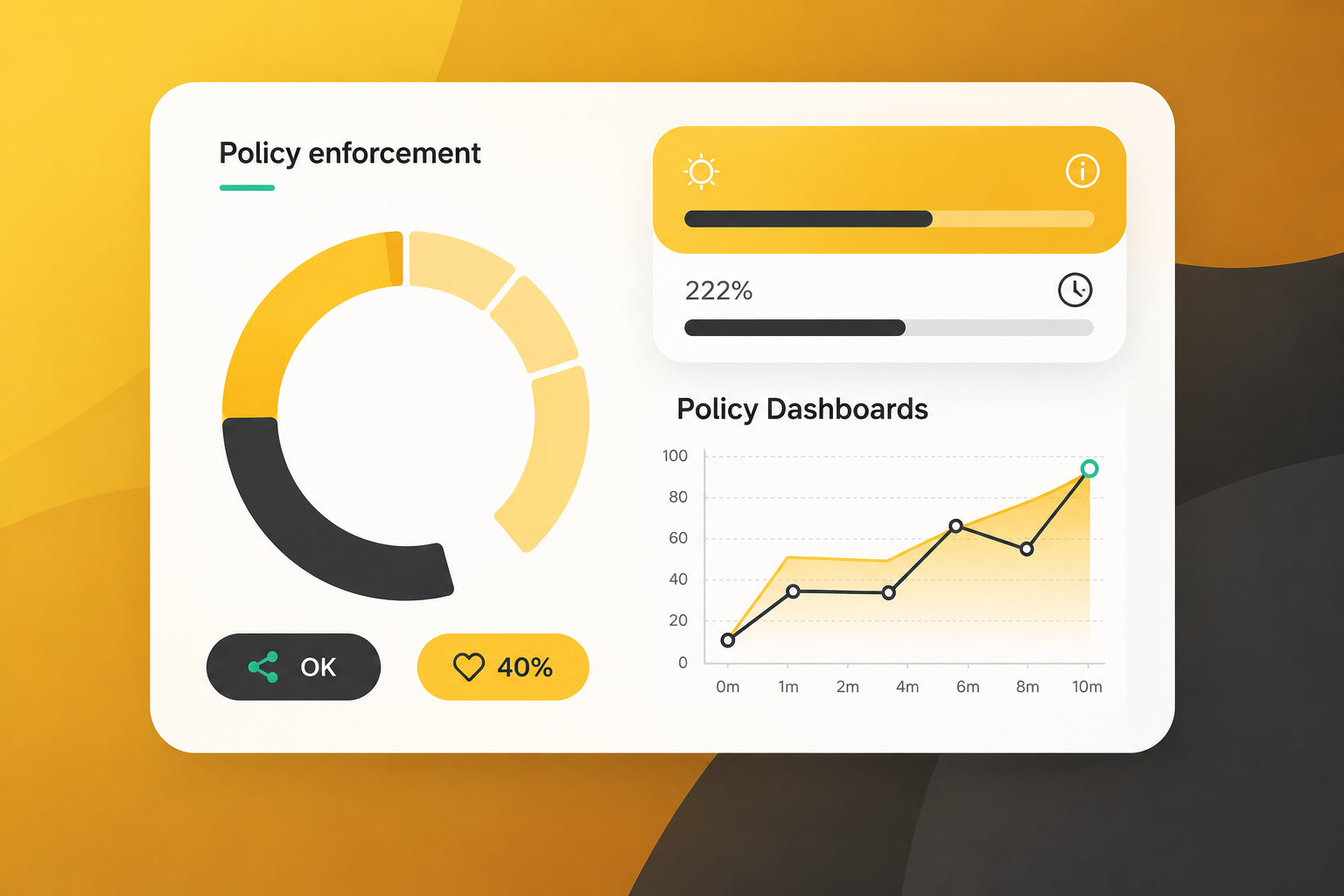
Measurable Impact
Track governance effectiveness through product delivery and compliance metrics.
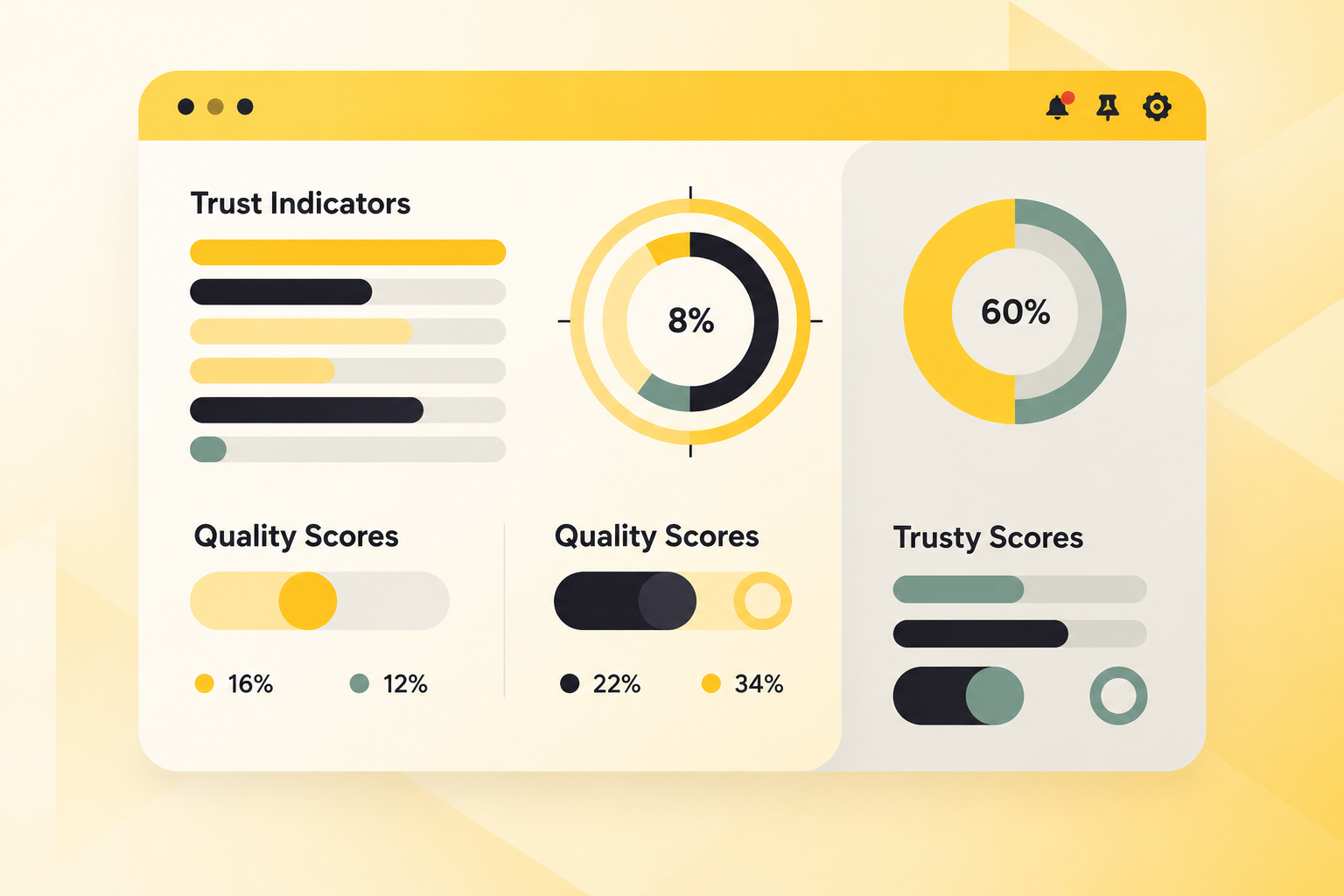
Trusted Outcomes
Answer: Is this product safe, compliant, and delivering value right now?
Active Governance in Practice
Faster Delivery
Governed data products without manual approvals. Automation accelerates trusted access.
Reduced Risk
Consistent policy enforcement across analytics and AI. No gaps or exceptions.
Improved Adoption
Business users access trusted data through self-service. Confidence drives usage.
Clear Accountability
Automated ownership and lineage tracking. Know who, what, when, and why.
AI-Ready Foundation
Scalable governance for AI models. Inputs, outputs, and risks clearly defined.
The Active Governance Model
Metadata Enforced
Business and technical metadata enforced at runtime, not just documented.
AI Governance
AI models governed as first-class assets with clear risk definitions.
Dynamic Access
Policies evaluated by role, purpose, and context in real time.
Quality Gates
Data quality and privacy rules influence product publication and consumption.
Auto Lineage
Lineage generated automatically as products are created and reused.
The Execution Layer for Modern Governance
Active Governance is not a replacement. It's the execution layer that brings governance platforms to life.
From Documentation
Passive governance in separate systems
To Execution
Active, outcome-driven operating model
At Business Speed
Continuous, automatic governance in real time
Active Governance at a glance.
A concise guide to moving from passive documentation to governance that participates when trusted data products are created, published and used. Includes a scan code back to this page.
Ready to Activate Your Governance?
See how Latttice turns governance metadata into real-time, executable behavior.
Start a Latttice Trial